
Specialized Services
Ship Hazardous Materials
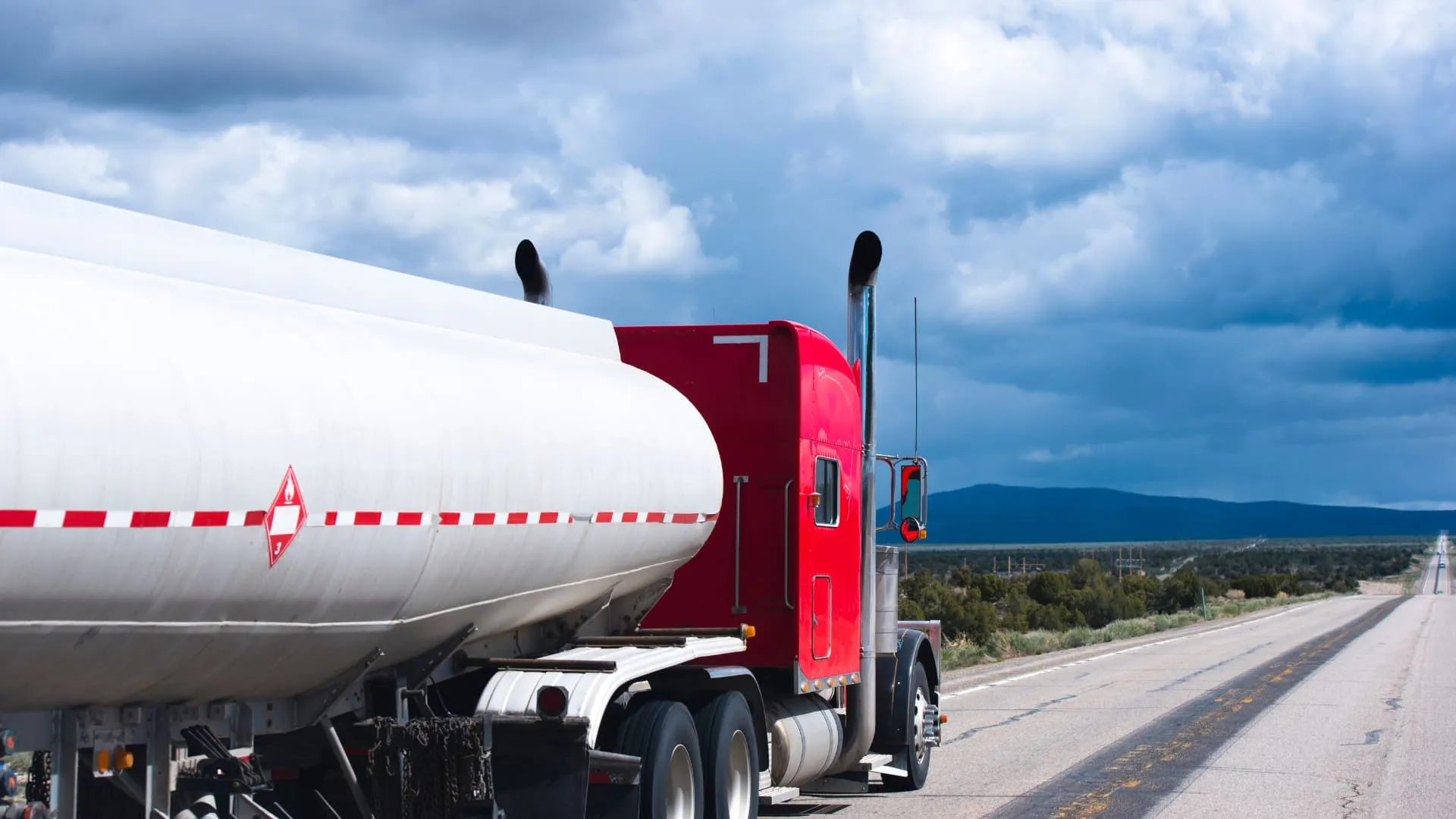
We make transporting dangerous goods easy: trained handling, compliant paperwork, and carriers equipped for hazmat, by LTL or full truckload.
Shipping hazardous materials
Hazardous materials are substances that pose a potential risk to health, safety, or the environment: chemicals, compressed gases, flammable liquids, radioactive materials, and explosives among them. Each one has to be correctly identified and classified before it ships, so it can be packaged, labeled, and transported safely.
Our team is trained to handle hazardous materials and follows the regulations set by the U.S. Department of Transportation. The responsibilities are split: as the shipper, you classify, package, mark, and label the material and certify the shipment on its shipping papers; we check the paperwork and match the load to a hazmat-approved carrier, so your dangerous goods move safely and efficiently. We take pride in handling hazmat freight with care and attention to detail.
Hazardous freight moves by LTL or full truckload, and the mode changes how it is handled, priced, and regulated in transit. The comparison below shows how.
LTL or full truckload hazmat?
The right mode depends on volume, timing, and how much handling the materials can safely take. Here is how LTL and full truckload hazardous shipping compare.
| Consideration | LTL hazmat Less than truckload | Full truckload hazmat FTL |
|---|---|---|
| Typical size | Palletized or drum quantities of 150 to 15,000 lb (up to 10 pallets), sharing trailer space with other freight | Single-shipper loads that fill most or all of the trailer |
| Cost | Pay only for the space you use: economical for small volumes, though hazmat accessorial fees apply | A flat rate for the whole trailer: a higher total, but a lower cost per pound at scale |
| Transit and stops | Terminal cross-docks can add one to three days and extra touchpoints | Direct, point to point: the fastest ground option, with no intermediate terminals |
| Handling risk | More touches and mixed freight raise the risk of damage, spills, or incompatible loads | Single-load custody minimizes handling and removes the risk of co-mingling |
| Regulatory steps | Segregation and placarding are checked at every break-bulk terminal | One placard set and one compatibility review for the whole run, and a simpler chain of custody |
| Drivers and equipment | Fewer hazmat-endorsed LTL lanes, so pickup windows may be limited | A dedicated hazmat driver and trailer are easier to secure when booked in advance |
| Packaging | Must withstand extra handling and stacking; overpacks are often required | Standard UN-rated packaging is usually sufficient when properly blocked and braced |
| Liability | Shared liability: claims can involve several carriers or terminals | One carrier is responsible, which simplifies claims and supports higher declared values |
| Best for | Smaller batches of chemicals, batteries, aerosols, and lab supplies, where the savings outweigh the extra transit time | Bulk chemical totes, large dangerous-goods production runs, and high-value hazmat that should be handled as little as possible |
LTL hazmat Less than truckload
- Typical size
- Palletized or drum quantities of 150 to 15,000 lb (up to 10 pallets), sharing trailer space with other freight
- Cost
- Pay only for the space you use: economical for small volumes, though hazmat accessorial fees apply
- Transit and stops
- Terminal cross-docks can add one to three days and extra touchpoints
- Handling risk
- More touches and mixed freight raise the risk of damage, spills, or incompatible loads
- Regulatory steps
- Segregation and placarding are checked at every break-bulk terminal
- Drivers and equipment
- Fewer hazmat-endorsed LTL lanes, so pickup windows may be limited
- Packaging
- Must withstand extra handling and stacking; overpacks are often required
- Liability
- Shared liability: claims can involve several carriers or terminals
- Best for
- Smaller batches of chemicals, batteries, aerosols, and lab supplies, where the savings outweigh the extra transit time
Full truckload hazmat FTL
- Typical size
- Single-shipper loads that fill most or all of the trailer
- Cost
- A flat rate for the whole trailer: a higher total, but a lower cost per pound at scale
- Transit and stops
- Direct, point to point: the fastest ground option, with no intermediate terminals
- Handling risk
- Single-load custody minimizes handling and removes the risk of co-mingling
- Regulatory steps
- One placard set and one compatibility review for the whole run, and a simpler chain of custody
- Drivers and equipment
- A dedicated hazmat driver and trailer are easier to secure when booked in advance
- Packaging
- Standard UN-rated packaging is usually sufficient when properly blocked and braced
- Liability
- One carrier is responsible, which simplifies claims and supports higher declared values
- Best for
- Bulk chemical totes, large dangerous-goods production runs, and high-value hazmat that should be handled as little as possible
The nine hazard classes
Every hazardous material ships under one of nine U.S. DOT hazard classes, and the class decides its packaging, labels, placards, and paperwork. Here is what each covers, with the materials from our own list that fall in it.
-
Class 1
Explosives
Materials that can explode or burn very rapidly, from fireworks to ammunition.
-
Class 2
Gases
Flammable, non-flammable, and toxic gases, compressed or liquefied.
We ship aerosol cans; industrial gases such as helium, nitrogen, and oxygen.
-
Class 3
Flammable liquids
Liquids that give off flammable vapor, such as fuels, many paints, and solvents.
We ship flammable paints and varnishes; solvents such as acetone and turpentine.
-
Class 4
Flammable solids
Solids that ignite easily, combust on their own, or are dangerous when wet.
-
Class 5
Oxidizers and organic peroxides
Substances that give off oxygen and can intensify a fire.
We ship pool chemicals such as chlorine.
-
Class 6
Toxic and infectious substances
Poisons, and materials that can carry infection.
We ship many pesticides and herbicides.
-
Class 7
Radioactive material
Materials that emit ionizing radiation.
-
Class 8
Corrosives
Acids and bases that can destroy skin or corrode metal.
We ship cleaning products such as bleach and drain cleaners.
-
Class 9
Miscellaneous
Materials that are hazardous in transport but fit no other class.
We ship batteries, especially lithium-ion batteries.
Our list also includes medical supplies, such as pharmaceuticals. Vaccines themselves are not hazardous materials: a vaccine shipment comes under the hazmat rules when it is packed in dry ice (UN 1845, Class 9). Not sure which class your material is in? Section 14 of its Safety Data Sheet lists the transport classification, and we can help you read it.
What we need to quote hazmat
Hazardous freight is booked on its classification. Have these details ready and your quote comes back faster:
- The UN or NA identification number and the proper shipping name
- The hazard class and the packing group
- The quantity, the packaging type, and the total weight
- The Safety Data Sheet (SDS) for each material
- Origin and destination ZIP codes and the ship date
- A 24-hour emergency response phone number
Customer service is top notch and I always know I will be taken care of.Get Moving
Ready to move your freight?
Tell us the origin, destination, and what you are shipping. We will quote it and get it on a truck.